Introduction
If you already run an IGA, choose neither a standalone non-human identity tool nor an IGA extension on its own. Augment the IGA with a layer that governs service accounts, machine identities, and AI agents in the same graph as people.
A standalone tool gives depth on credentials but a second inventory to reconcile. An extension keeps one workflow but stays inside your IGA's existing reach.
The volume makes the choice urgent. The 2026 Identity Security Landscape survey found machine identities outnumber humans 109 to 1.
Oak, the AI-native identity operating system, is that layer. It lands beside the IGA and identity provider you already run.
Key takeaways
- A standalone non-human identity tool adds credential depth and a second inventory.
- An IGA extension inherits your IGA's connector reach and its blind spots.
- Ownership, effective access, and remediation stay open under either option alone.
- Oak governs non-human identities in the same live graph as people, beside your IGA.
- Augment the IGA you run instead of adding another silo.
What a standalone non-human identity tool covers
A standalone non-human identity tool typically discovers service accounts, API keys, tokens, certificates, and similar credentials, then flags the long-lived, unrotated, and overexposed ones. It can reach cloud surfaces a governance program was never pointed at.
The inventory it builds sits beside the one your IGA keeps for people. Someone then has to reconcile the two lists, assign owners, and run reviews an auditor will accept.
Ask who does that reconciliation and how often before you count the inventory as coverage.
Depth without correlation is another list. Oak's Identity Risk Visibility & Intelligence reasons over one live graph instead, so a service account and the person who owns it sit in the same model.
What an IGA extension covers
An IGA extension models non-human identities as another object type inside the system you already own. Service accounts enter existing certification campaigns, approvals route through existing workflows, and evidence lands in the same audit export.
For governance teams that is attractive, with one workflow, one reviewer experience, and one place auditors already read.
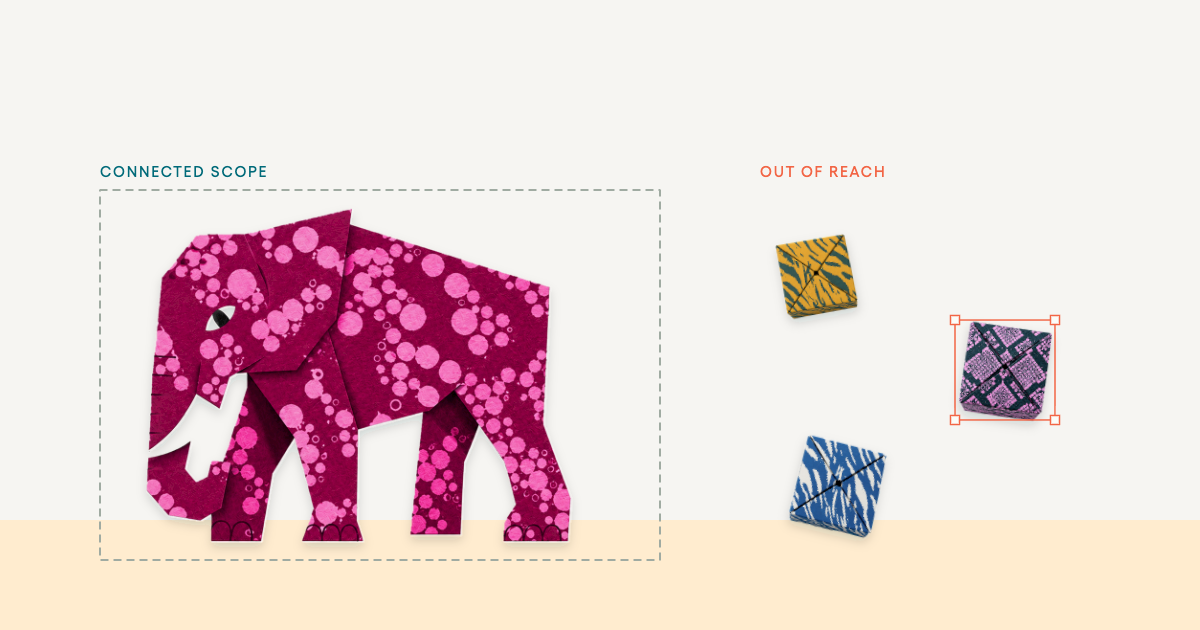
The limit is reach, because the IGA only sees identities it can tie to a person, through the connectors it already has. Out-of-band entitlements and on-prem and homegrown systems that wait months for a connector stay outside it.
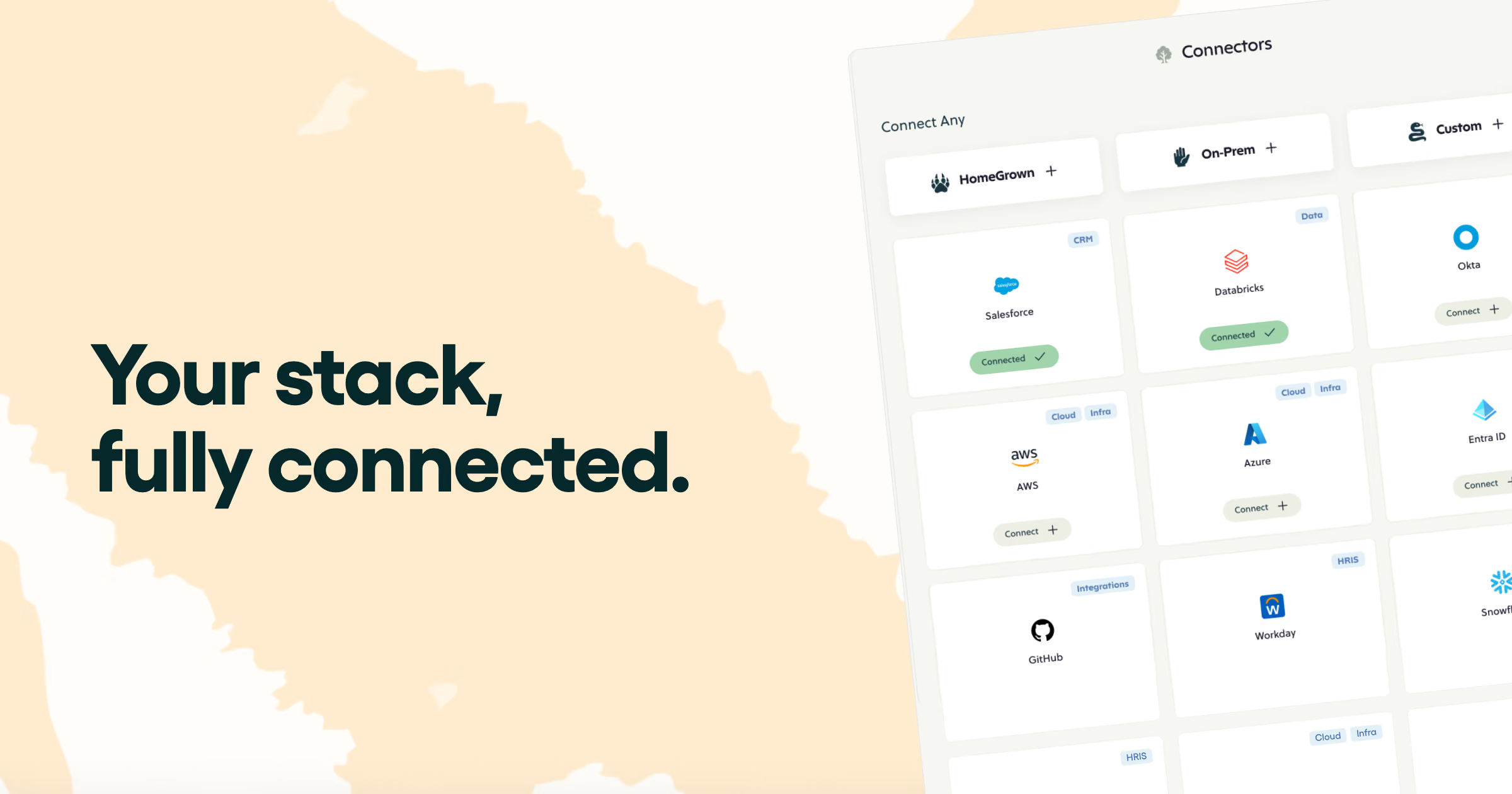
Ask which of your systems sit outside the IGA's connector catalog today, and what it would take to add each one. Oak's ConnectAny reaches those systems, and the platform also connects to the IGA itself.
The gaps both options leave open
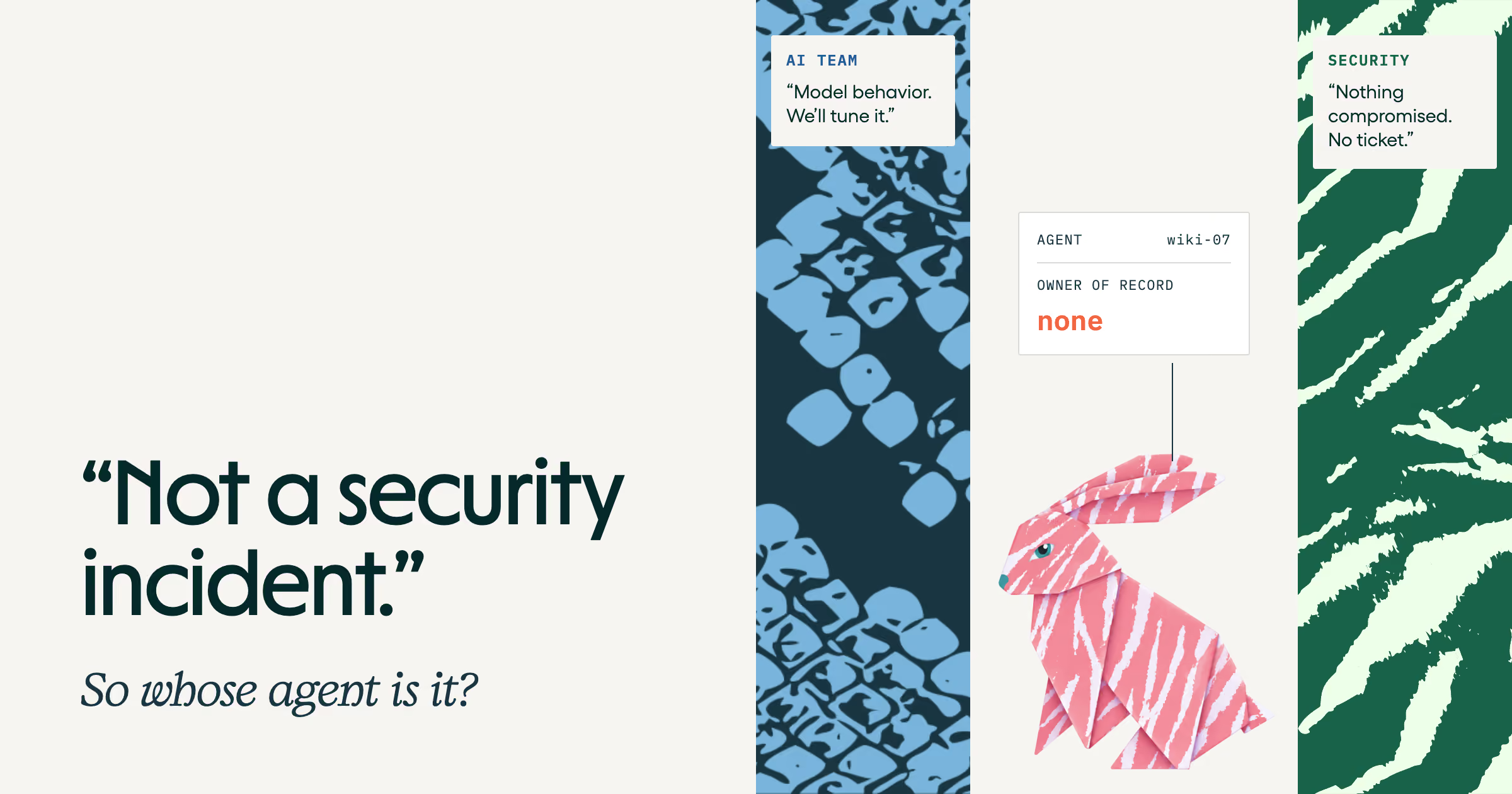
Ownership comes first. A service account with no named human or team owner is hard to review, revoke, or defend in an audit, and a list of credentials does not supply that owner.
Effective access is the second gap. Nested groups, inherited admin rights, and impersonation chains mean a service account's real reach can exceed its declared one.
Blast radius builds on that. It extends effective access with what an identity can reach through other identities, weighted by how sensitive those resources are, and two parallel inventories have no way to measure it.
Remediation is the last gap. Oak fixes the root cause, remediating from the source the moment an identity deviates.
AI agents concentrate all four gaps, which is why AI agent identity governance belongs in this decision rather than a later one.
Standalone tool versus IGA extension, side by side
CapabilityStandalone non-human identity toolIGA extensionA layer beside your IGAInventoryCredentials and cloud identitiesIdentities the IGA already connects toEvery human, machine, and AI agent identity in one live graphLink to the people who own themReconciled by handNative, within connected scopeNative, one data modelOwnershipHas to be assigned separatelyInherited from the IGA's user modelA named human or team owner for every service account and agentEffective accessCredential levelAs declared in connected systemsResource level, correlated with actual usageBlast radiusDepends on the toolDepends on the IGAEffective access plus transitive reach, weighted by sensitivityCertificationDepends on the toolWithin connected scopeContinuous, risk-driven reviews alongside peopleOn-prem and homegrown reachDepends on the toolConnector-dependentDirect API, database, and an on-prem agentRemediationDepends on the toolDepends on the IGARoot cause fixed at the sourceWhere it sitsA new consoleInside the IGABeside the IGA, and connected to it
Read the table against your own estate, because the answer depends on where your service accounts actually live.
The last row is the structural difference. A standalone tool adds a console, an extension stays inside the limit of what your IGA can see, and Oak sits in the third column.
Already running an IGA? Start where it stops
Augmentation is the right first move, because the identities causing the risk are often the ones the IGA never saw. Your certification program, approval chains, and audit evidence stay where they are, and coverage is what changes.
Third-party access shows why. Verizon's 2026 Data Breach Investigations Report found a third party involved in 48% of breaches, a 60% increase on the previous year.
Every identity needs certifying: service accounts, contractors, RPA bots, and AI agents, each tied to an accountable human owner. Oak continuously correlates what every identity can access with what it actually uses, then routes risk-prioritized decisions to the right reviewers.
What to ask before you buy either one
Run both options against the same six questions instead of comparing feature lists:
- Does it reach your on-prem and homegrown applications, or only the ones with clean APIs?
- Does it resolve a named human or team owner for every service account and agent?
- Does it compute effective access at resource level, or report declared entitlements?
- Can non-human identities be certified in the same review as people, with evidence an auditor accepts?
- Does it fix risk at the source, or hand you a ticket?
- Does it create a second inventory you now have to reconcile?
A yes on question six means a reconciliation job comes with the coverage. Connector work is usually the hard part, so ask who builds those connectors and when.
Conclusion
Whether you weigh a standalone non-human identity tool or an IGA extension, once service accounts, machine identities, and AI agents are treated as part of the same population as your people, each one gets an owner, a real answer on what it can reach, a review, and a fix at the source. That is the outcome to buy for.
Oak delivers it from one live graph, beside the IGA and identity provider you already run.
Bring your current stack, your connector gaps, and your unowned service account list, and book a demo with Oak to see what one graph finds that two inventories miss.
Frequently asked questions
Do I need a standalone non-human identity tool if I already have an IGA?
Usually not, if you add a layer that covers what the IGA cannot reach. The bigger cost of a standalone non-human identity tool is the ongoing work of keeping two inventories in step. Oak lands beside the IGA you already run and governs service accounts, machine identities, and AI agents in the same live graph as people.
When is an IGA extension for non-human identities enough?
An IGA extension for non-human identities is enough when nearly all of those identities live in systems the IGA already connects to. It falls short when service accounts sit in on-prem or homegrown applications, or hold access granted directly in the app. Oak connects to those systems and to the IGA, so both stay in one model.
Which works better for AI agents, a standalone non-human identity tool or an IGA extension?
For AI agents, neither a standalone non-human identity tool nor an IGA extension is enough alone. Agents hold credentials and standing access and act on behalf of people, which needs ownership and continuous review as well as discovery. Oak maps an accountable human owner for each agent and reviews it on its own risk, not a fixed calendar.
Does Oak work alongside the IGA we already run?
Yes, Oak works alongside the IGA and identity provider you already run, starting with the part of the estate you have never seen. It connects to every system in your environment, including the ones the IGA cannot reach, and to the IGA itself. Bring your current stack to an Oak demo to see what that covers.
How do you govern non-human identities alongside people without a second inventory?
To govern non-human identities alongside people without a second inventory, you need one data model rather than two tools reporting separately. Oak builds one live graph covering every human, machine, and AI agent identity, ties each non-human identity to a named owner, and correlates effective access with actual usage across the whole population.
Discover related posts